


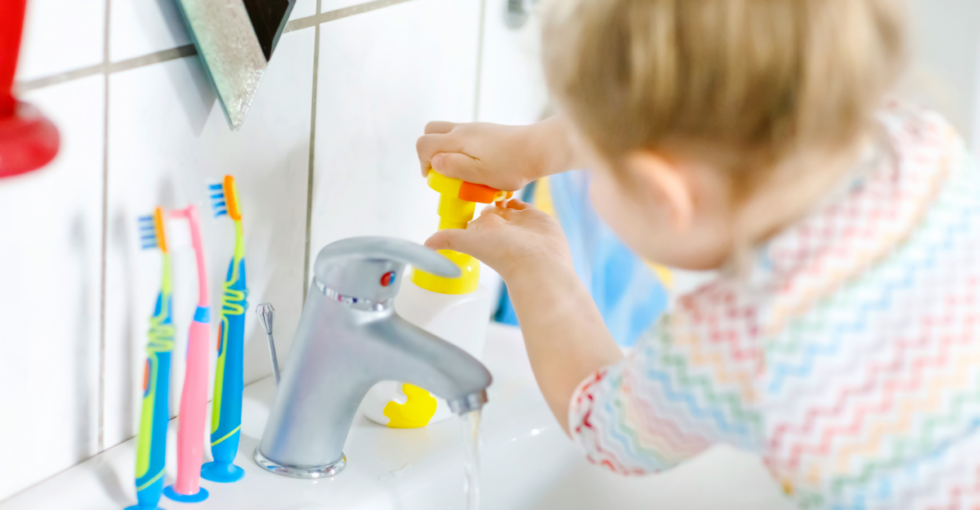

Let’s be honest, getting a toddler to wash their hands properly feels like negotiating world peace. They splash water everywhere, skip the soap entirely, and call it “done” in about four seconds. Sound familiar?
But here’s the thing: hygiene habits aren’t just about keeping kids clean. They’re foundational life skills that protect your child’s health, build their confidence, and shape how they interact with the world around them. The earlier these habits are introduced, the more naturally they stick.
At Little Feet Nursery, we see this every day. Children who begin learning hygiene routines in their early years, whether at home or in a nurturing nursery environment, carry those habits with them for life. So, where do you begin?
Why Early Hygiene Education Matters More Than You Think
Children between ages 2 and 6 are in what psychologists call the “critical window” for habit formation. Their brains are wired to absorb routines, model behavior, and repeat patterns. This is why habits introduced early good or bad tend to stay.
Poor hygiene in early childhood isn’t just a cleanliness issue. It’s directly linked to increased illness, missed school days, lower immunity, and even social challenges as children grow older. On the flip side, kids who practice proper hygiene regularly tend to be healthier, miss fewer school days, and develop stronger self-care confidence.
This is something every good nursery in Sharjah and across the UAE prioritizes. It’s not just about academics and play early childhood centers play a huge role in reinforcing the personal hygiene habits children may still be learning at home.
Core Hygiene Habits Every Child Should Learn Early
1. Proper Handwashing — The Non-Negotiable One
This one is at the top of every pediatrician’s list, and for good reason. Handwashing with soap can prevent up to 21% of respiratory infections and significantly reduce gastrointestinal illness in young children, according to global health data.
Teach your child to wash hands:
- Before and after meals
- After using the toilet
- After sneezing, coughing, or blowing their nose
- After playing outside or touching animals
- When arriving home from nursery or school
Make it fun. Sing the “Happy Birthday” song twice while washing that’s the right amount of time. Use colorful soaps, let them pick their own hand towel. Small choices create big ownership.
2. Brushing Teeth — Twice a Day, Every Day
Dental hygiene is one of those habits parents often underestimate until that first cavity strikes. The truth is, primary (baby) teeth matter enormously. Decay in baby teeth can affect eating, speech development, and the alignment of permanent teeth.
Start brushing as soon as the first tooth appears. By age two, most children can begin learning to brush themselves (with supervision). By age three to four, it should be a firm morning and night routine. Use age-appropriate fluoride toothpaste, a soft-bristle brush, and yes those two-minute brushing songs on YouTube actually work wonders.
3. Regular Bathing and Body Cleanliness
Children should understand that bathing isn’t a punishment it’s self-care. Regular bathing removes bacteria, allergens, and sweat from the skin. In a warm climate like Sharjah’s, where children are often outdoors or active, daily bathing is especially important.
Teach children to wash behind their ears, between fingers, under nails and to rinse properly. By age four or five, most children can start bathing semi-independently with an adult nearby. This builds confidence and a sense of responsibility for their own body.
4. Nail and Hair Care
Short, clean nails = fewer germs transferred to the mouth, eyes, and food. It’s that simple. Regular nail trimming should be part of the weekly routine. As children grow, they can learn to spot when their nails need cutting.
Hair care is equally important, especially for children with longer hair. Regular washing, combing, and tying back hair (particularly for nursery and school) reduces lice risk and keeps children feeling fresh and tidy throughout the day.
5. Toilet Hygiene Often Overlooked, Always Essential
Beyond potty training basics, children need to learn proper wiping technique, flushing, and most importantly always washing hands after. These habits may seem basic but they’re the foundation of preventing the spread of bacteria like E. coli and others in group settings like nurseries and classrooms.
At quality early childhood centers like Little Feet Nursery, toilet hygiene is gently reinforced throughout the day as a natural part of the routine, not as a correction, but as positive habit-building.
The Role of a Good Nursery in Building These Habits
Home is where habits begin, but nursery is where they’re reinforced. When children see their peers and teachers practicing the same routines consistently, it creates a powerful social reinforcement loop. Suddenly, washing hands before snack time isn’t something mummy said it’s just “what we do.”
A good nursery in Sharjah doesn’t just focus on play and learning milestones. It weaves personal hygiene education into the daily routine in age-appropriate, positive ways. From dedicated handwashing stations at child height to gentle reminders before meals, the environment itself becomes a teacher.
This is a core part of what we do at Little Feet Nursery creating a clean, safe, and nurturing space where children build healthy habits alongside their social and academic development. When home and nursery are aligned on these values, children thrive.
Practical Tips to Make Hygiene Fun at Home
You don’t need to lecture. You need to make it part of life:
- Use a visual hygiene chart on the bathroom door with sticker rewards
- Let children pick their own toothbrush, soap, or towel colour
- Role-play with dolls or stuffed animals practising hand-washing
- Read books or watch short videos about germs (there are brilliant ones for toddlers)
- Never shame always encourage. “Let’s try again” beats “You forgot again!”
Consistency is everything. Habits are formed through repetition, not perfection. Some days will be messier than others. That’s completely okay.
Teaching children hygiene habits early is one of the most impactful investments you can make in their long-term health and wellbeing. It’s not about raising perfectly clean children it’s about raising children who understand how to care for themselves and respect those around them.