


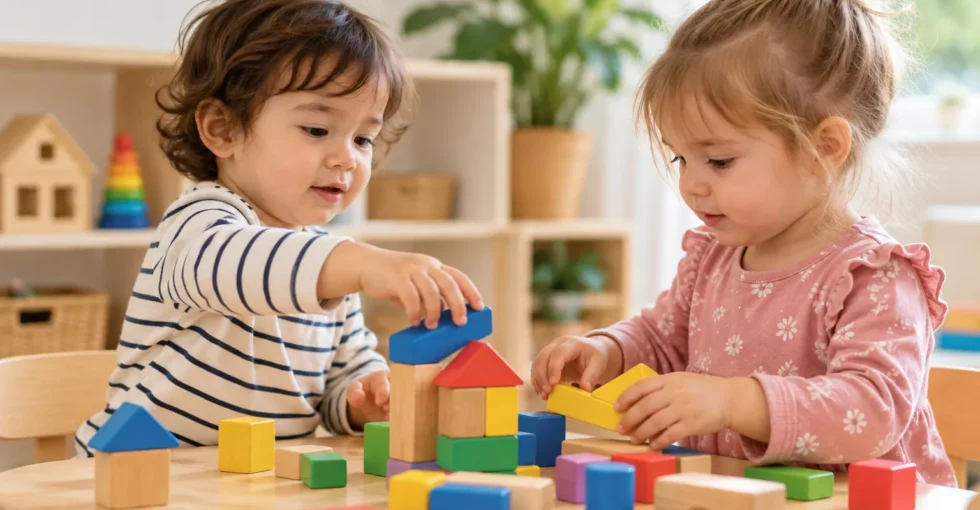

Deciding when your child is ready for nursery is one of the harder calls new parents face — there’s no single test, and every child develops at their own pace. But there are real, observable signs your child is ready for nursery, and knowing what to look for makes the decision a lot less stressful than guessing.
Signs Your Child Is Ready for Nursery, by Age
Readiness looks different at 18 months than it does at 3 years old. Here’s roughly what to expect at each stage.
Around 18 Months
At this age, “ready” doesn’t mean independent — it means your child can cope with brief separations and is curious about other children. Signs include: settling reasonably quickly after you leave a room, showing interest in other babies or toddlers, and having a fairly predictable eating and sleeping routine.
Around 2 Years
By 2, many children can follow simple instructions, communicate basic needs (even if not in full sentences), and tolerate short periods without a parent present. If your child can point, gesture, or say a few words to express hunger, tiredness, or discomfort, that’s a good sign they’ll be able to communicate with nursery staff too.
Around 3 Years
Most 3-year-olds are ready for a more structured preschool environment. Look for growing interest in group play (even if it’s still mostly side-by-side rather than truly cooperative), basic self-help skills like trying to feed themselves, and the ability to sit through a short story or activity.
Signs Your Child Is Ready for Nursery That Have Nothing to Do with Age
Age is a rough guide, not a rule. These signs often matter more than the calendar:
- Curiosity about other children — reaching toward, watching, or trying to interact with kids their age
- Tolerating short separations — coping reasonably well when left with a grandparent, relative, or babysitter for an hour or two
- Some routine already in place — a rough nap and meal schedule at home makes the nursery routine less of a shock
- Basic communication — words, signs, or clear gestures for their core needs
- Growing independence — attempting to feed themselves, take off shoes, or “help” with simple tasks
What If My Child Isn’t Showing These Signs Yet?
This is genuinely common, and it isn’t a reason to delay starting nursery altogether. Nurseries are built to support children who are still developing these skills — that’s part of the job, not a prerequisite for enrolling. A good nursery will meet your child where they are and help build these skills through routine, play, and gentle encouragement, rather than expecting a child to arrive already “ready” in every sense.
If you’re still unsure, a short settling-in period — a few shorter visits before full days begin — is standard practice at most nurseries and gives both you and your child a low-pressure way to test the waters.
Nursery vs. Waiting: What Actually Helps
It’s worth knowing that many of the “readiness” skills — sharing, following routines, communicating with adults outside the family — often develop faster once a child starts nursery, not before. If you’re weighing whether to enrol in a daycare or preschool programme now versus waiting a few more months, it helps to remember that nursery itself is part of how these skills get built, not just a reward for having them already.
Frequently Asked Questions
What’s the earliest age children usually start nursery?
Many nurseries, including Little Feet, accept children from around 1.5 years old, with age-appropriate programmes for toddlers through preschool age.
My child cries whenever I leave the room — does that mean they’re not ready?
Not necessarily. Separation anxiety is a normal developmental stage and doesn’t rule out starting nursery — most children adjust within the first few weeks with a consistent routine and reassuring goodbyes.
Should I wait until my child is fully toilet trained before starting nursery?
No — most nurseries, including Little Feet, support children who are still in the process of toilet training. This isn’t usually a barrier to starting.
How do I know if my child needs more time before starting?
Trust your own read of your child alongside the general signs above. If you’re unsure, a visit and conversation with the nursery’s team can help you gauge fit before committing.