


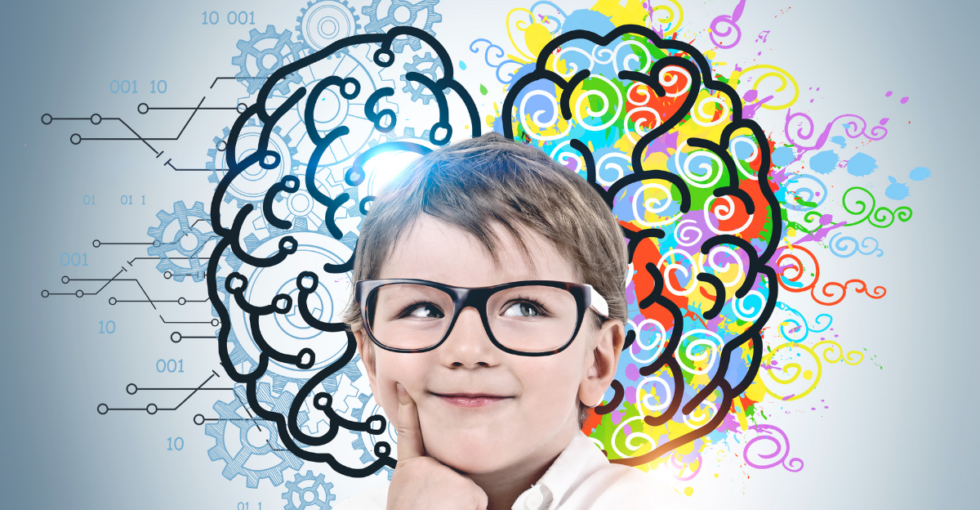

Children do not learn the way adults do. They do not sit quietly and absorb information in a structured way. Instead, they explore, experiment, and most importantly, play. What seems like simple fun is actually one of the strongest drivers of brain development.
Play based learning is not just a modern idea in early childhood education. It is supported by neuroscience, psychology, and years of research. When children play, they actively build neural connections that influence how they think, solve problems, communicate, and manage emotions.
This article explains how play based learning supports brain development, why it matters in early childhood, and how it works in real situations.
What Is Play Based Learning
Play based learning is an approach where play becomes the main way children learn and develop skills. Instead of strict instruction, children are encouraged to explore their surroundings, interact with others, and follow their curiosity.
This does not mean learning is random or unplanned. In strong learning environments, educators carefully design activities that guide children toward important developmental goals.
There are different forms of play involved:
- Free play which is led by the child
- Guided play supported by adults
- Structured play with clear learning goals
For example, when a child builds a tower with blocks, they are learning balance, spatial awareness, problem solving, and early math concepts at the same time.
How the Brain Develops in Early Childhood
To understand the importance of play, it helps to understand how the brain grows in early years.
During the first five years, the brain creates more than a million neural connections every second. These connections are shaped by experiences. The more meaningful and repeated the experience, the stronger the connections become.
There are three major areas of development:
Cognitive Development
This includes thinking, memory, reasoning, and problem solving.
Social and Emotional Development
This focuses on emotions, relationships, and empathy.
Physical Development
This includes motor skills, coordination, and sensory processing.
Play based learning supports all three at the same time, which makes it highly effective.
The Science Behind Play Based Learning in Brain Development
Play activates multiple parts of the brain simultaneously. Unlike passive learning, it requires active participation, which strengthens neural connections.
Strengthens Neural Connections
When children take part in imaginative or problem solving activities, their brains form stronger connections. Activities such as puzzles, building, or role play involve decision making and adaptation.
For example, when a child tries to stack blocks without them falling, they learn through trial and error. Each attempt improves their understanding and strengthens brain pathways.
Improves Executive Function Skills
Executive function skills include:
- Attention control
- Working memory
- Flexible thinking
These skills are essential for future academic success.
Simple games with rules help children practice self control and memory. Even pretend scenarios like running a shop require planning and organization.
Supports Language Development
Play naturally encourages communication. Children talk to each other, describe their actions, and interact with adults.
For instance, during pretend play, a child might say, “I am the teacher and you are the student.” This builds vocabulary, sentence structure, and understanding of social roles.
Over time, this strengthens communication skills significantly.
Helps Emotional Regulation
Play often places children in situations where they must manage emotions such as winning, losing, sharing, or waiting.
These experiences teach children how to:
- Handle frustration
- Express emotions properly
- Build resilience
Learning to cope with small challenges during play builds emotional strength for later life.
Types of Play That Support Brain Development
Different types of play support different parts of the brain.
Sensory Play
Activities involving sand, water, or clay help children develop sensory awareness and fine motor skills. These are especially important in early years.
Pretend Play
Imaginative play supports creativity and abstract thinking. Children explore real life roles by acting as doctors, teachers, or chefs.
Physical Play
Activities like running, jumping, and climbing improve coordination and overall physical development. They also help reduce stress and improve focus.
Social Play
Playing with others helps children learn cooperation, sharing, and empathy. It is essential for social development.
Real Life Example Learning Through Play
Consider a child playing with a toy kitchen.
It may look like simple play, but the child is actually:
- Learning sequences such as cooking then serving
- Practicing communication
- Developing social understanding
- Using fine motor skills
One activity engages multiple areas of brain development at once.
Why Play Based Learning Is More Effective Than Traditional Methods
Traditional learning methods often focus on memorization and strict instruction. While useful in some cases, they do not fully match how young children learn.
Play based learning offers clear advantages.
Better Engagement
Children are naturally interested in play. This keeps them focused and motivated.
Deeper Understanding
Children learn through experience rather than memorization, which improves long term understanding.
Flexible Learning
Children can learn at their own pace and repeat activities until they fully understand them.
The Role of Educators and Parents
Play based learning still requires guidance. Adults play an important role in shaping the experience.
Creating the Right Environment
A strong environment includes:
- Open ended materials like blocks and art supplies
- Safe spaces for movement
- Opportunities for group and individual play
Observing and Supporting
Adults should observe and guide when needed instead of controlling every activity.
Questions like:
- What do you think will happen next
- How can we solve this
These encourage thinking without removing independence.
Common Misconceptions About Play Based Learning
It Is Just Play
Many people assume play is not real learning. In reality, it is one of the most effective learning methods in early childhood.
Children Will Not Be Ready for School
Children who learn through play often develop stronger problem solving and social skills, which are essential for school readiness.
It Has No Structure
Play based learning is carefully designed. It allows flexibility but still follows clear developmental goals.
Long Term Impact on Brain Development
The effects of play based learning go beyond early childhood.
Children exposed to rich play environments are more likely to:
- Think critically
- Adapt to new situations
- Build strong relationships
- Show creativity
These are essential life skills, not just academic abilities.
Choosing the Right Early Learning Environment
When selecting a nursery or preschool, it is important to look deeper than appearances.
Ask questions such as:
- Is play part of everyday learning
- Are children encouraged to explore
- Do teachers engage meaningfully with children
A good environment balances freedom with guidance.
In settings like Little Feet Nursery, the focus is on creating a supportive and play centered environment where children can explore, imagine, and grow naturally. These environments understand that play is not separate from learning but is the foundation of it.
Conclusion
Play is not optional in early childhood. It is essential. The role of play based learning in brain development is significant and supported by research.
When children play, they are building the foundation for thinking, communication, and emotional well being. These early experiences shape how they learn and interact with the world later in life.