


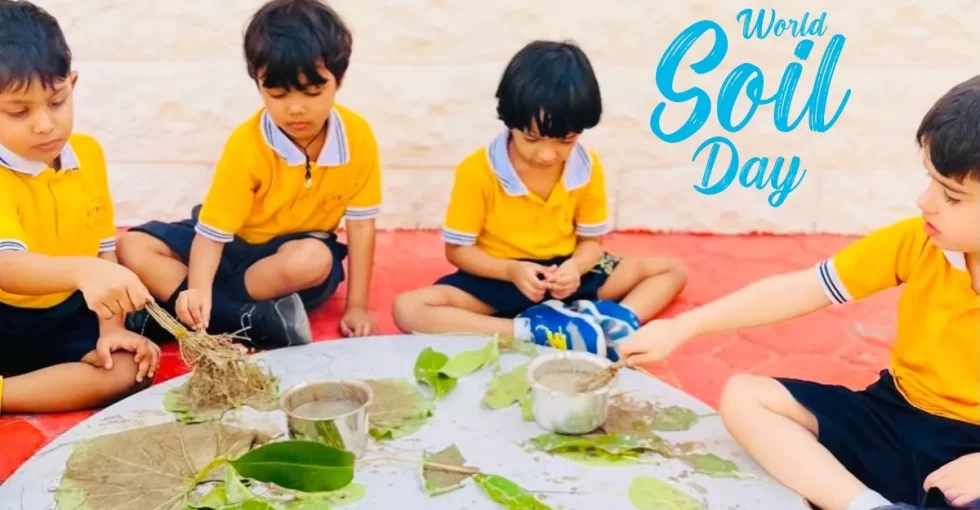

Have you ever stopped to think about the ground beneath your feet? It’s easy to take for granted, but that layer of earth is teeming with life and is essential for our survival. December 5th marks World Soil Day, a global event designated by the United Nations to focus attention on the importance of healthy soil and to advocate for the sustainable management of soil resources.
While it might seem like a topic for scientists or farmers, soil health affects everyone. From the food on our plates to the water we drink and the air we breathe, soil plays a critical role. At Little Feet Nursery, Al Khan, we believe in instilling a love for nature and the environment in children from a young age. Understanding the value of soil is a great place to start. We will explore why soil is so important, the threats it faces and what we can do as individuals and families to protect it.
The Unsung Hero: Soil’s Vital Role
Soil is far more than just “dirt.” It is a living, breathing ecosystem that sustains life on Earth. It is a complex mixture of minerals, organic matter, water, air and billions of organisms. Here is why it is so crucial for our ecosystems and agriculture:
The Foundation of Food Security
The most obvious role of soil is in agriculture. Approximately 95% of our food comes from the soil. It provides the essential nutrients, water and physical support that plants need to grow. Without healthy soil, we cannot grow the crops necessary to feed the growing global population. Healthy soil produces healthy crops that in turn nourish people and animals. When soil quality degrades, nutrient content in our food decreases.
A massive Water Filter
Soil acts as a natural filtration system. As rainwater passes through the soil layers, pollutants and contaminants are filtered out before the water reaches groundwater aquifers, rivers and lakes. This process ensures that we have access to clean drinking water. Furthermore, healthy soil with good structure acts like a sponge, absorbing rainfall and reducing the risk of floods and soil erosion.
Climate Change Mitigation
You might be surprised to learn that soil is one of the largest reservoirs of carbon on the planet. It stores more carbon than the atmosphere and all plant life combined. By sequestering carbon (capturing it from the atmosphere and storing it), healthy soils help mitigate the effects of climate change. However, when soil is degraded or disturbed, this stored carbon is released back into the atmosphere as carbon dioxide, contributing to global warming.
Biodiversity Hotspot
A single teaspoon of healthy soil can contain more living organisms than there are people on Earth. This includes bacteria, fungi, insects and earthworms. This biodiversity is essential for decomposing organic matter, cycling nutrients, and controlling pests and diseases.
Silent Threats: What is Hurting Our Soil?
Despite its importance, soil is a finite resource. It can take up to 1,000 years to form just one centimeter of topsoil, yet this can be lost in a matter of minutes due to human activity. Several major threats are currently degrading soil health worldwide:
Erosion
Soil erosion is the removal of the top layer of soil by water, wind, or farming activities. This top layer is the most fertile part of the soil, rich in nutrients and organic matter. When it is lost land becomes less productive. Deforestation and overgrazing strip the land of vegetation cover, leaving soil exposed and vulnerable to being washed or blown away.
Pollution
Industrial waste, improper disposal of chemicals, and the excessive use of pesticides and fertilizers in agriculture contaminate the soil. Heavy metals and toxic chemicals can persist in the soil for decades, harming soil organisms and entering the food chain, which poses significant health risks to humans and wildlife.
Urbanization and Sealing
As cities expand, vast areas of fertile land are covered by concrete and asphalt. This process, known as soil sealing, completely cuts off the soil from the atmosphere and water cycle. It destroys the soil’s ability to perform its natural functions, such as absorbing water and supporting life. As a leading Nursery in Sharjah, we see the rapid urbanization around us, making it even more important to preserve green spaces for our children.
Salinization
In many arid and semi-arid regions, improper irrigation practices lead to the accumulation of salts in the soil. High salt levels make it difficult for plants to absorb water and nutrients, eventually rendering the land unsuitable for agriculture.
Sustainable Soil Management: The Path Forward
Reversing soil degradation requires a shift toward sustainable soil management practices. These are methods that maintain or enhance soil health while ensuring productivity.
Crop Rotation: Planting different crops in the same area in sequential seasons helps improve soil structure and fertility. Different plants have different nutrient needs and pest vulnerabilities, so rotation prevents the depletion of specific nutrients and breaks pest cycles.
Cover Cropping: Planting cover crops, such as clover or rye, during off-seasons prevents soil erosion. These crops protect the soil surface from wind and rain, suppress weeds, and add organic matter to the soil when they decompose.
Reduced Tillage: Traditional plowing disrupts the soil structure and exposes it to erosion. Reduced tillage or no-till farming minimizes soil disturbance, helping to retain moisture, organic matter, and the delicate network of fungal hyphae that holds soil together.
Organic Farming: Using natural fertilizers like compost and manure instead of synthetic chemicals helps build soil organic matter and supports a thriving community of soil organisms.
Small Hands, Big Impact: Tips for Families
You don’t need to be a large-scale farmer to make a difference. As parents and educators, we can teach the next generation to respect and protect the earth. Here are some simple ways you can contribute to soil health:
1. Start Composting
Composting is a fantastic way to recycle kitchen waste and turn it into “black gold” for your garden or potted plants. Instead of throwing fruit peels, vegetable scraps, and coffee grounds into the trash where they end up in landfills, compost them. This reduces waste and creates a nutrient-rich additive that improves soil health.
2. Plant a Garden
Whether you have a backyard or just a few pots on a balcony, planting a garden connects children with the soil. Let them dig in the dirt, plant seeds, and watch them grow. It is a hands-on lesson in how soil supports life. At Little Feet Nursery, considered by many parents as one of the best nurseries in Sharjah, we incorporate gardening activities to help children develop this connection early on.
3. Avoid Harsh Chemicals
If you have a garden, try to avoid using chemical pesticides and herbicides. These can harm beneficial soil insects and bacteria. Opt for natural alternatives or physical methods of pest control.
4. Mulch Your Soil
Covering the soil around your plants with a layer of organic mulch (like leaves, straw, or wood chips) helps retain moisture, suppress weeds, and regulate soil temperature. As the mulch breaks down, it adds organic matter to the soil.
5. Support Sustainable Brands
When shopping for food or clothes, look for brands that prioritize sustainable farming practices. Your purchasing power can encourage companies to adopt methods that are kinder to the soil.
Cultivating a Greener Future – World Soil Day
World Soil Day serves as a timely reminder that our well-being is deeply rooted in the health of our soil. By understanding the vital role soil plays and taking steps to protect it, we ensure a sustainable future for ourselves and generations to come.
At Little Feet Nursery, Al Khan, we are committed to holistic education that includes environmental awareness. We strive to be the best nursery in Al Khan by nurturing not just academic growth, but also a sense of responsibility toward our planet. If you are looking for a daycare in Sharjah or a preschool in Sharjah that values nature and hands-on learning, we invite you to join our community.
Let’s work together to keep our soil healthy and our future bright. Whether through composting at home or teaching our children the value of the earth, every action counts.