


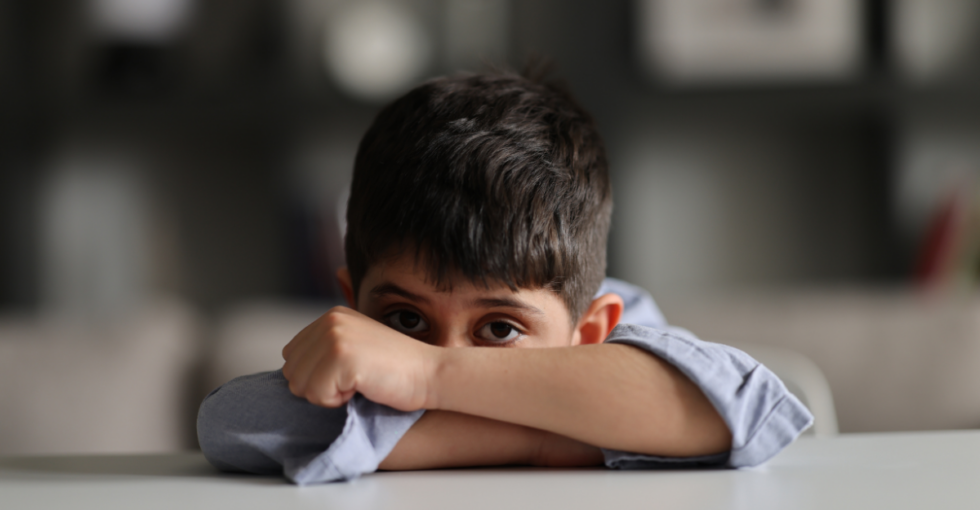

Every child has a unique personality. Some preschoolers are naturally outgoing, while others are quiet and reserved. Being shy is not a problem. However, when shyness makes it difficult for a child to make friends, speak in class, or join activities, parents and teachers should offer gentle support.
Many families in Dubai come from different cultures and backgrounds. Children often meet classmates who speak different languages and have different traditions. This can make some preschoolers feel nervous or unsure. With the right guidance, shy children can slowly build confidence and improve their social and communication skills.
This guide explains simple ways to help shy preschoolers become more comfortable, confident, and ready to interact with others.
Understanding Shyness in Preschoolers
Shyness is a normal part of child development. Some children simply take more time to warm up to new people or unfamiliar places.
A shy preschooler may:
- Avoid talking to other children
- Stay close to parents or teachers
- Feel nervous in group activities
- Speak very softly
- Watch others instead of joining in
- Avoid eye contact with strangers
These behaviors do not always mean there is a problem. Many shy children become confident when they feel safe and supported.
Why Some Preschoolers Become Shy
There are many reasons why a child may be shy.
Some common causes include:
- Natural personality traits
- Limited social experiences
- Moving to a new city like Dubai
- Starting preschool for the first time
- Language differences
- Fear of making mistakes
- New family or school environments
Parents should remember that every child develops at their own pace.
Why Social and Communication Skills Matter
Strong social skills help children throughout their lives. They learn how to:
- Make friends
- Share with others
- Solve simple conflicts
- Express feelings
- Build confidence
- Work in groups
- Listen carefully
Communication skills also prepare children for success in school and everyday life.
Create a Safe and Supportive Environment
Children learn best when they feel safe.
Parents and teachers should:
- Listen without interrupting
- Praise small achievements
- Avoid comparing children
- Give children enough time to speak
- Encourage without forcing participation
A positive environment allows shy preschoolers to slowly gain confidence.
Encourage Small Social Interactions
Instead of expecting children to join large groups immediately, begin with smaller interactions.
For example:
- Arrange one-on-one playdates.
- Invite a familiar classmate home.
- Visit local parks during quieter hours.
- Let children play with cousins or neighbors.
As children become comfortable, they will naturally participate in larger groups.
Use Play to Build Confidence
Play is one of the best ways preschoolers learn.
Activities that improve communication include:
- Pretend play
- Puppet shows
- Building blocks together
- Dress-up games
- Storytelling
- Singing songs
- Role-playing everyday situations
During play, children practice speaking, listening, sharing, and problem-solving without pressure.
Read Storybooks Together
Books help children understand emotions and social situations.
While reading:
- Ask simple questions.
- Let your child describe the pictures.
- Discuss how characters feel.
- Encourage children to predict what happens next.
Reading together improves vocabulary, confidence, and communication.
Teach Emotional Expression
Many shy children struggle to express their feelings.
Help them learn simple emotional words such as:
- Happy
- Sad
- Excited
- Angry
- Scared
- Proud
- Nervous
Parents can ask:
- “How are you feeling today?”
- “What made you smile?”
- “What worried you?”
This helps children become more comfortable talking about emotions.
Practice Everyday Conversations
Daily conversations improve communication skills.
Simple practice ideas include:
- Greeting family members
- Saying “please” and “thank you”
- Ordering food at a restaurant
- Talking to the cashier
- Asking simple questions
- Introducing themselves
Small conversations build confidence over time.
Encourage Group Activities
Dubai offers many opportunities for preschoolers to interact with others.
Children can join:
- Art classes
- Music sessions
- Dance programs
- Storytelling events
- Indoor play centers
- Community activities
- Sports for young children
These activities encourage teamwork and communication in a fun environment.
Avoid Putting Too Much Pressure
Parents sometimes say:
- “Go talk to them.”
- “Why are you so quiet?”
- “Don’t be shy.”
Although well-intended, these comments may increase anxiety.
Instead, try saying:
- “Take your time.”
- “I’m proud of you.”
- “Would you like me to come with you?”
- “You can try when you’re ready.”
Gentle encouragement works much better.
Celebrate Small Successes
Confidence grows through small victories.
Celebrate moments like:
- Saying hello
- Joining a game
- Answering a teacher’s question
- Making a new friend
- Speaking in front of family
Simple praise motivates children to keep trying.
Limit Screen Time
Too much screen time can reduce opportunities for face-to-face communication.
Instead, encourage:
- Outdoor play
- Family conversations
- Creative activities
- Board games
- Reading together
- Interactive learning
Real-life interactions help children develop stronger communication skills.
Work Together with Preschool Teachers
Parents and teachers should communicate regularly.
Discuss:
- Classroom participation
- Friendships
- Communication progress
- New challenges
- Successful strategies
When home and preschool work together, children receive consistent support.
Support Multicultural Learning in Dubai
Dubai is home to families from around the world. Preschoolers meet children who speak different languages and celebrate different traditions.
Parents can help by:
- Teaching respect for different cultures
- Encouraging curiosity
- Attending multicultural school events
- Learning simple greetings in other languages
- Helping children appreciate diversity
These experiences improve social confidence and help children build friendships.
When Should Parents Seek Professional Help?
Most shy children become more confident with time.
However, parents should consider speaking with a child development specialist if the child:
- Never speaks outside the home
- Avoids all social situations
- Experiences extreme anxiety
- Shows delayed speech development
- Has difficulty understanding simple communication
- Becomes distressed during everyday interactions
Early support can make a significant difference.
Tips for Parents
Keep these simple tips in mind:
- Be patient.
- Encourage daily conversations.
- Praise effort instead of perfection.
- Give children opportunities to play.
- Model confident communication.
- Respect your child’s personality.
- Build routines that include social interaction.
- Celebrate progress, no matter how small.
Related Topics You May Find Helpful
You can also explore:
- Teaching Emotional Intelligence to Preschoolers
- Helping Preschoolers Manage Big Feelings
- Simple Mindfulness Activities for Young Children
- Building Self-Confidence in Preschoolers
- Teaching Friendship and Social Skills
- Positive Parenting Tips for Preschool Children
- Preparing Your Child for Preschool in Dubai
- Fun Learning Activities for Preschoolers at Home
Conclusion
Helping shy preschoolers develop social and communication skills takes patience, understanding, and consistent encouragement. Every child grows at their own pace, and confidence cannot be rushed. Parents and teachers should focus on creating positive experiences where children feel accepted, supported, and safe.