



Navigating SPEA regulations can be challenging for organizations operating in regulated industries. Whether your company deals with environmental compliance, workplace safety, operational governance, or sector-specific standards, failing to meet SPEA requirements can result in penalties, operational disruptions, and reputational damage.
This guide provides a practical, step-by-step checklist to help businesses understand, implement, and maintain SPEA compliance efficiently.
What Are SPEA Regulations?
SPEA regulations are structured compliance standards designed to ensure organizations operate according to legal, environmental, safety, and procedural requirements. These regulations often apply to industries such as manufacturing, engineering, environmental services, infrastructure, and industrial operations.
The primary purpose of SPEA compliance includes:
- Ensuring operational safety
- Reducing environmental risks
- Maintaining regulatory accountability
- Standardizing procedures
- Protecting public and workplace health
Organizations that proactively follow SPEA standards can improve operational efficiency while minimizing legal exposure.
Why SPEA Compliance Matters
Businesses that ignore regulatory compliance often face:
- Financial penalties
- Legal action
- License suspension
- Project delays
- Brand reputation damage
- Increased audit risks
On the other hand, organizations with strong compliance systems benefit from:
- Better risk management
- Improved operational transparency
- Increased stakeholder trust
- Easier regulatory approvals
- Enhanced workplace safety
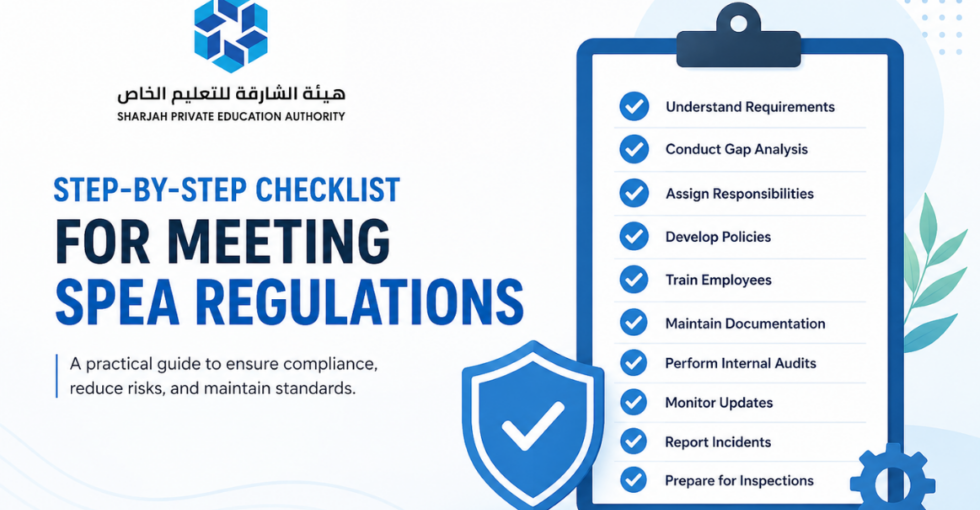
Step-by-Step Checklist for Meeting SPEA Regulations
1. Understand Applicable SPEA Requirements
The first step is identifying which SPEA regulations apply to your organization.
Checklist:
- Identify industry-specific SPEA standards
- Review local, state, and national compliance laws
- Understand operational obligations
- Determine reporting requirements
- Identify inspection schedules
Best Practice:
Create a centralized compliance document repository for easy access to all regulations and updates.
2. Conduct a Compliance Gap Analysis
A gap analysis helps determine where your organization currently stands compared to required SPEA standards.
Checklist:
- Review current policies and procedures
- Identify missing compliance controls
- Evaluate operational risks
- Assess documentation quality
- Analyze previous audit findings
Benefits:
- Identifies weaknesses early
- Prevents costly violations
- Prioritizes corrective actions
3. Assign Compliance Responsibilities
Compliance should never be handled without accountability.
Checklist:
- Designate a compliance officer
- Define departmental responsibilities
- Create reporting structures
- Establish approval workflows
- Train managers on compliance obligations
Key Tip:
Cross-functional compliance teams improve coordination between departments.
4. Develop Internal Compliance Policies
Well-documented policies help standardize regulatory adherence across the organization.
Checklist:
- Create SOPs (Standard Operating Procedures)
- Develop safety protocols
- Document emergency response plans
- Implement environmental management procedures
- Define employee compliance guidelines
Important:
Policies should be reviewed regularly to align with updated SPEA requirements.
5. Implement Employee Training Programs
Employees must understand how SPEA regulations affect their daily responsibilities.
Checklist:
- Conduct onboarding compliance training
- Schedule annual refresher programs
- Provide role-specific compliance education
- Train staff on reporting violations
- Maintain training records
Training Topics:
- Safety compliance
- Risk management
- Incident reporting
- Documentation procedures
- Environmental standards
6. Maintain Accurate Documentation
Documentation is one of the most critical components of regulatory compliance.
Checklist:
- Keep audit-ready records
- Maintain inspection logs
- Store incident reports
- Archive employee certifications
- Document corrective actions
Essential Documents:
- Compliance reports
- Risk assessments
- Safety inspection records
- Operational permits
- Maintenance logs
7. Perform Internal Audits Regularly
Routine audits help detect compliance failures before regulators do.
Checklist:
- Conduct quarterly compliance reviews
- Monitor operational procedures
- Verify employee adherence
- Review corrective action effectiveness
- Document audit findings
Audit Benefits:
- Reduces regulatory risk
- Improves accountability
- Supports continuous improvement
8. Monitor Regulatory Updates
Regulations frequently change, making continuous monitoring essential.
Checklist:
- Subscribe to regulatory updates
- Attend industry compliance seminars
- Monitor legal amendments
- Review government notifications
- Update policies when necessary
Best Practice:
Assign a dedicated team member to track regulatory developments.
9. Establish Incident Reporting Procedures
Organizations must respond quickly to compliance incidents.
Checklist:
- Create incident reporting systems
- Define escalation procedures
- Investigate non-compliance events
- Document corrective measures
- Communicate findings internally
Goal:
Minimize recurring compliance violations through rapid response systems.
10. Prepare for External Regulatory Inspections
Regulatory inspections are a normal part of compliance management.
Checklist:
- Conduct mock inspections
- Ensure records are organized
- Verify employee readiness
- Review facility conditions
- Correct unresolved compliance issues
Inspection Readiness Tips:
- Keep compliance files centralized
- Train employees on inspection procedures
- Maintain updated operational records
Common SPEA Compliance Mistakes
Many organizations struggle with compliance due to avoidable mistakes.
Frequent Issues:
- Poor documentation management
- Lack of employee training
- Inconsistent policy enforcement
- Delayed corrective actions
- Ignoring regulatory updates
Avoiding these issues significantly improves long-term compliance performance.
Tools That Help Manage SPEA Compliance
Modern compliance management software can streamline regulatory processes.
Useful Compliance Tools:
- Audit management systems
- Document tracking software
- Risk assessment platforms
- Employee training systems
- Incident reporting tools
Digital compliance systems improve visibility, accountability, and reporting efficiency.
Benefits of a Strong SPEA Compliance Strategy
Organizations that prioritize compliance gain long-term operational advantages.
Key Benefits:
- Reduced legal exposure
- Improved operational efficiency
- Enhanced employee safety
- Better stakeholder confidence
- Stronger organizational reputation
Compliance should be viewed as a strategic investment rather than a regulatory burden.
Meeting SPEA regulations requires more than occasional audits or paperwork. Successful compliance depends on proactive planning, employee training, continuous monitoring, and strong internal systems. By following this step-by-step checklist, organizations can reduce compliance risks, improve operational standards, and maintain long-term regulatory readiness.