


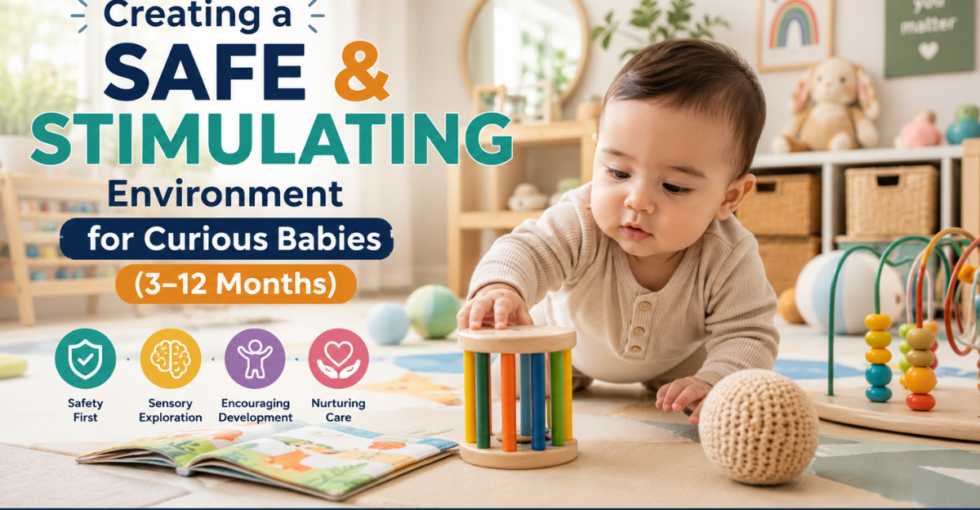

The first year of a baby’s life is filled with remarkable discoveries. From rolling over and crawling to recognizing familiar faces and responding to sounds, babies between 3 and 12 months experience rapid physical, emotional, and cognitive development. During this important stage, the environment surrounding a baby plays a crucial role in shaping their growth and confidence.
For parents in Sharjah, choosing the right infant care setting involves more than finding a safe place. Families want an environment where their baby can explore, learn, and develop essential skills while receiving nurturing care and individual attention.
Why Environment Matters During the First Year
Babies are natural explorers. Even before they begin crawling, they are constantly observing, listening, touching, and processing information from their surroundings.
Research consistently shows that early experiences influence:
- Brain development
- Language acquisition
- Emotional security
- Social skills
- Motor development
- Problem-solving abilities
A thoughtfully designed infant environment provides the perfect balance between protection and exploration, allowing babies to learn safely while building confidence and independence.
Safety Comes First
Safety is the foundation of everything we do. Before babies can confidently explore, they need a secure environment that minimizes risks and supports healthy development.
Child-Friendly Spaces
Our infant rooms are designed specifically for babies aged 3–12 months. Every area is carefully organized to reduce hazards while encouraging movement and exploration.
Key safety features include:
- Soft flooring and cushioned play areas
- Rounded furniture edges
- Age-appropriate toys and equipment
- Secure sleep areas
- Sanitized play materials
- Continuous supervision by trained caregivers
By maintaining high safety standards, we create an environment where babies can move, play, and discover with confidence.
Clean and Hygienic Surroundings
Infants have developing immune systems, making cleanliness a top priority.
Our hygiene practices include:
- Regular sanitization of toys and surfaces
- Safe diaper-changing procedures
- Frequent handwashing protocols
- Clean feeding environments
- Daily health and wellness monitoring
These measures help provide a healthy setting that supports babies’ well-being and gives parents peace of mind.
Encouraging Exploration Through Play
While safety is essential, learning happens through exploration. Babies learn about the world by touching, reaching, listening, observing, and experimenting.
Sensory Play Experiences
Sensory activities help stimulate neural connections and support cognitive growth.
Examples include:
- Different textures and fabrics
- Soft musical toys
- Sensory mats
- Visual stimulation materials
- Water and tactile play activities
- Age-appropriate sound exploration
These experiences encourage curiosity while supporting brain development during a critical learning period.
Freedom to Move
Movement is one of the most important aspects of infant development.
Babies need opportunities to:
- Roll over
- Sit independently
- Reach for objects
- Crawl
- Pull themselves up
- Practice balance and coordination
Rather than restricting movement, we provide safe spaces where babies can develop gross motor skills at their own pace.
Every child develops differently, and our caregivers support each baby’s unique developmental journey.
Supporting Cognitive Development
The first year is a period of incredible brain growth. Babies are constantly learning how the world works.
Cause-and-Effect Learning
Simple activities help babies understand relationships between actions and outcomes.
For example:
- Pressing a button to create sound
- Shaking a rattle
- Dropping objects and observing movement
- Exploring interactive toys
These experiences lay the foundation for problem-solving and critical thinking skills later in life.
Language-Rich Interactions
Even before babies speak their first words, they are actively absorbing language.
Our caregivers engage babies through:
- Singing songs
- Reading picture books
- Talking during routines
- Naming objects and actions
- Responding to babbling and vocalizations
These everyday interactions support early communication skills and language development.
Building Emotional Security and Confidence
A stimulating environment is only effective when babies feel emotionally secure.
Responsive Caregiving
One of the most important aspects of infant care is responding consistently to a baby’s needs.
Our caregivers focus on:
- Comforting distressed babies
- Recognizing individual cues
- Maintaining predictable routines
- Offering positive interactions
- Building trusting relationships
When babies feel safe and understood, they become more willing to explore and learn.
Encouraging Independence
As babies grow, they begin developing confidence in their abilities.
We encourage independence by:
- Allowing self-directed exploration
- Supporting problem-solving attempts
- Celebrating developmental milestones
- Providing age-appropriate challenges
This balanced approach helps babies develop resilience and self-confidence from an early age.
Social Development Through Positive Interactions
Although very young, babies begin developing social awareness during their first year.
In a nurturing group setting, infants have opportunities to:
- Observe other children
- Recognize familiar faces
- Develop social curiosity
- Practice early communication
- Learn emotional responses
Positive social experiences contribute to healthy emotional and interpersonal development.
Partnering with Parents
Parents remain a baby’s most important teachers and caregivers.
We believe strong communication between caregivers and families creates the best outcomes for children.
Our approach includes:
- Daily updates
- Developmental observations
- Open communication channels
- Feeding and sleep tracking
- Milestone sharing
By working closely with families in Sharjah, we ensure consistency between home and nursery environments.
Why Our Approach Is Different
Many childcare environments focus solely on supervision. Our philosophy goes beyond basic care by creating intentional opportunities for growth, learning, and discovery.
We combine:
- Safe and secure surroundings
- Responsive caregiving
- Developmentally appropriate activities
- Sensory-rich experiences
- Individualized attention
- Strong parent partnerships
This integrated approach supports every aspect of a baby’s development while giving parents confidence that their child is receiving exceptional care.
Giving Babies the Best Start
The first year of life forms the foundation for future learning, relationships, and confidence. A safe and stimulating environment allows babies to explore their world while developing critical cognitive, physical, social, and emotional skills.
For families in Sharjah seeking high-quality infant care, choosing a nursery that balances safety, exploration, and developmental support can make a lasting difference. By providing nurturing relationships, engaging experiences, and a secure environment, we help curious babies grow into confident learners ready for the exciting milestones ahead.