


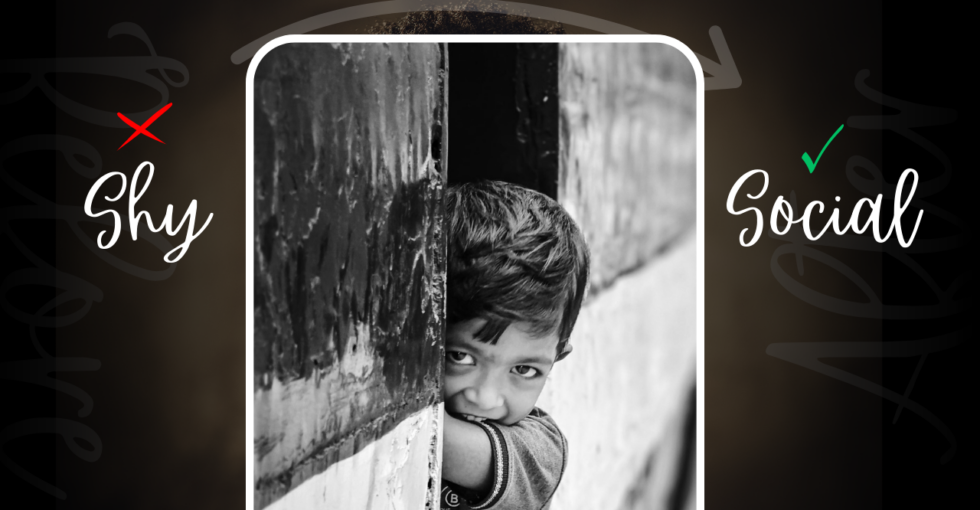

Dropping your little one off at nursery for the first time is an emotional moment for any parent. But when your child is naturally shy, quiet, or slow to warm up, that moment can feel a whole lot heavier. You find yourself wondering whether they will be okay? Will they make friends? Will the staff understand them?
Table of Contents
At Little Feet Nursery, we hear this from parents every single week. And our answer is always the same: yes, they will be okay, and with the right support, they will do more than okay. They will grow.
This guide has been put together by our experienced early years team to help you understand how our nursery environment is designed to help shy, introverted, or anxious children feel safe, seen, and ready to flourish. We also walk you through our nursery admission process step by step, so nothing feels uncertain before your child even walks through our door.
Understanding Shyness in Young Children – It Is More Common Than You Think
First, let’s take a breath. Shyness is not a flaw, and it is certainly not something that needs to be “fixed.” In the world of early childhood development, shyness is a recognised and completely normal personality trait. Many children between the ages of 2 and 5 are naturally cautious around new people, new places, and new experiences.
What matters is not eliminating shyness but creating the conditions in which a shy child feels safe enough to explore the world at their own pace. That is exactly what a good nursery setting should do and it is what Little Feet Nursery is built around.
Signs Your Child May Be Shy or Slow-to-Warm-Up
Shy or reserved children often show some of these behaviors when they enter a new early years setting:
- They cling to a parent or carer during drop-off
- They prefer to watch other children play before joining in
- They struggle to speak with unfamiliar adults
- They may appear withdrawn or tearful in new group settings
- They take longer to settle into a nursery routine than other children
A Note From Our Team:
If your child shows any of these behaviors, you are not alone. These are signs of a thoughtful, observant child — not a problem child. Our practitioners are trained specifically to support children who need a little more time and gentle encouragement to open up.
How Little Feet Nursery Creates a Safe Space for Shy Children
Our nursery setting has been carefully designed both physically and emotionally to help quieter children feel comfortable from day one.

Small Group Sizes and a Low Child-to-Staff Ratio
Busy, noisy environments can be overwhelming for shy children. That is why we maintain small group sizes and an above-average child-to-key worker ratio throughout our nursery. This means your child is never just a face in the crowd, they are known, understood, and genuinely looked after by a familiar adult who takes the time to learn what makes them tick.
Key Person Approach – Your Child’s Special Adult at Nursery
Every child who joins Little Feet Nursery is assigned a dedicated key person. This is a trained early years practitioner who becomes your child’s primary point of contact during the nursery day.
For shy children especially, having one trusted adult who greets them each morning, knows their preferences, and checks in on them throughout the session can make an enormous difference to how quickly they settle.
The key person also acts as your main point of contact as a parent giving you regular updates, flagging any concerns, and celebrating every little step forward your child takes.
Calm, Nurturing Nursery Environments That Feel Like Home
Walk into Little Feet Nursery and you will notice something straight away: it does not feel clinical or institutional. We have worked hard to create warm, home-like spaces where children feel relaxed rather than overstimulated.
Cosy reading corners, soft lighting in rest areas, and clearly defined play zones all help shy children feel oriented and in control of their environment.
Child-Led Play and Learning No Pressure, Ever
Shy children often flourish when they are given the freedom to engage at their own pace. Our approach to play-based learning is child-led, which means we follow your child’s interests rather than pushing them into structured group activities before they are ready.
Over time, sometimes quicker than parents expect, we see shy children naturally gravitating towards their peers and beginning to form genuine friendships.
The Little Feet Nursery Admission Process – What to Expect
We know that the admission process itself can feel daunting, especially when you have a child who finds change difficult. So we have made our nursery enrollment process as gentle, transparent, and parent-friendly as possible.
Step 1 – Get in Touch and Book a Nursery Tour
Everything starts with a conversation. Reach out to us by phone, email, or through our website enquiry form, and one of our team will get back to you quickly to arrange a nursery tour at a time that suits you.
During your tour, you will meet our team, see our learning spaces, and get a genuine feel for the Little Feet Nursery environment. We actively encourage you to bring your child along — many shy children benefit enormously from seeing the nursery before their first session, with no pressure to interact or participate.
Step 2 – Your Nursery Place Application
Once you have decided that Little Feet is the right fit for your family, you will complete a straightforward nursery application form.
This covers:
- Your child’s details
- Their starting age
- Any medical or dietary needs
- The days and hours you require
We also include a section where you can tell us about your child’s personality, interests, and any concerns you have.
Step 3 – The Getting-to-Know-You Meeting
Before your child’s first session, we invite you and your child in for a relaxed, informal settling-in meeting with their key person.
This meeting helps:
- Build trust between the child and key worker
- Learn about comfort objects, routines, and interests
- Understand what helps the child calm down
- Gather small details that help with settling in.
Step 4 – Gentle, Gradual Settling-In Sessions
We never rush a child into full-time nursery attendance.
The settling process may include:
- Short visits where a parent stays in the room
- Gradual extension of session length
- Flexible adjustments if the child needs more time
- Daily check-ins with parents
For shy children, this phase may take longer, and that is completely fine.
Step 5 – Ongoing Communication With Parents
Once your child is settled, communication continues through:
- Parent communication apps
- Learning journals
- Parents’ evenings
- Progress reviews
Our door is always open if parents have concerns.
Practical Tips for Parents of Shy Children Starting Nursery
Talk About Nursery Positively
Children quickly sense parental anxiety. Try to frame nursery as an exciting new adventure.
Helpful tools include:
- Books about starting nursery
- Short videos
- Role-playing nursery at home
Establish a Consistent Drop-Off Routine
Predictability helps shy children feel secure. A short, confident goodbye is often better than a long emotional one.
Predictability helps shy children feel secure. A short, confident goodbye is often better than a long emotional one.
Celebrate Small Wins
Examples include:
- Saying hello to their key person
- Trying a new activity
- Playing alongside another child
Acknowledging these moments encourages confidence.
Be Patient
Progress is rarely linear. Some weeks children feel confident; other weeks they may regress slightly.
Why Early Years Education Matters Even More for Shy Children
Research shows that high-quality early years education provides lasting benefits.
Key benefits include:
- Social skills through repeated peer interaction
- Emotional regulation through routine
- Trust in relationships with adults outside the family
- Confidence through play-based learning
- Early identification of developmental needs
Little Feet Nursery works with:
- Health visitors
- Speech and language therapists
- Local authority SEND teams
Early identification can significantly improve long-term outcomes.
About Little Feet Nursery
Little Feet Nursery is an Ofsted-registered early years setting providing childcare and early education for children from birth to five years old.
Our practitioners hold:
- Early Years Professional Status
- Level 3 childcare qualifications
- Ongoing training in safeguarding and child development
Our practice follows the Early Years Foundation Stage (EYFS) framework and research from projects such as EPPE (Effective Pre-school and Primary Education).
We do not just care for children, we invest in them.