



Emotional intelligence forms the foundation of a child’s future success, yet many parents overlook its importance during those crucial early years. While academic skills often take center stage, research shows that children who develop strong emotional intelligence (EQ) skills are better equipped to navigate relationships, handle stress, and achieve their goals throughout life.
Understanding how to nurture emotional intelligence in young children can transform their developmental journey. At Little Feet Nursery, we’ve witnessed firsthand how focusing on EQ alongside traditional learning creates more confident, empathetic, and resilient children.
Why Emotional Intelligence Matters in Early Development
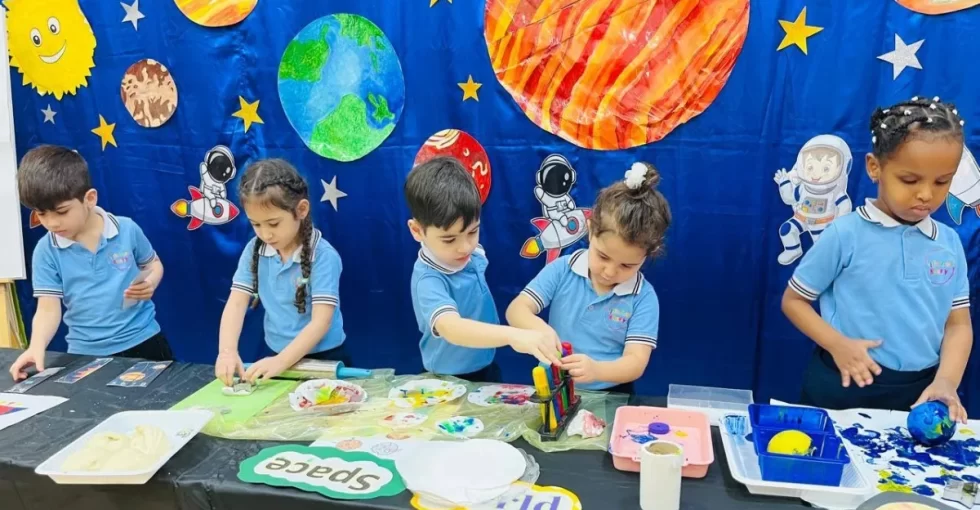
The early childhood years represent a critical window for emotional development. During this period, children’s brains are rapidly forming connections that will influence their emotional responses for years to come. Research indicates that children with higher emotional intelligence, developed through experiences such as sensory play demonstrate better academic performance, stronger friendships, and improved mental health outcomes.
When children learn to recognize and manage their emotions early, they develop essential life skills that extend far beyond the classroom. These capabilities help them communicate more effectively, resolve conflicts peacefully, and build meaningful relationships with peers and adults.
The Four Pillars of Emotional Intelligence
Self-Awareness: Understanding Inner Feelings
Self-awareness begins with helping children identify and name their emotions. Young children often experience big feelings without understanding what they’re experiencing. Teaching them to recognize emotions like frustration, excitement, or disappointment gives them the vocabulary to express themselves more clearly.
Simple activities like emotion check-ins during circle time or using feeling faces charts help children connect internal experiences with external expressions. This foundation becomes the building block for all other emotional intelligence skills.
Self-Regulation: Managing Emotional Responses
Once children can identify their emotions, the next step involves learning healthy ways to manage them. Self-regulation doesn’t mean suppressing feelings but rather developing appropriate responses to different emotional situations.
Breathing exercises, counting to ten, or having a designated calm-down space teaches children practical strategies for handling overwhelming emotions. These tools become invaluable as children encounter various challenges throughout their development.
Empathy: Understanding Others’ Perspectives
Empathy develops as children learn to recognize emotions in others and understand different viewpoints. This skill forms the cornerstone of healthy relationships and social cooperation.
Storytime discussions about characters’ feelings, role-playing activities, and encouraging children to consider how their actions affect others all contribute to empathy development. When children can step into someone else’s shoes, they become more compassionate and socially aware.
Social Skills: Building Meaningful Connections
Strong social skills emerge when children combine self-awareness, self-regulation, and empathy in their interactions with others. These abilities enable them to form friendships, work collaboratively, and communicate effectively.
Group activities, cooperative games, and guided peer interactions provide opportunities for children to practice these essential social capabilities in supportive environments.
Practical Activities to Foster Emotional Intelligence
Creating opportunities for emotional learning doesn’t require complex programs or expensive materials. Simple, consistent activities can make a significant impact:
Emotion storytelling encourages children to create stories about different feelings, helping them process and understand emotional experiences. Reading books that feature characters experiencing various emotions provides natural discussion opportunities.
Mindfulness moments throughout the day help children tune into their internal states. Brief breathing exercises or body awareness activities teach valuable self-regulation skills.
Peer mediation opportunities allow children to practice problem-solving and empathy when conflicts arise. Guiding children through the process of understanding different perspectives builds crucial social competencies.
Gratitude practices help children focus on positive emotions and develop appreciation for others. Simple gratitude circles or thank-you note activities foster positive emotional experiences.
Supporting Emotional Growth at Little Feet Nursery
Choosing the right educational environment plays a crucial role in supporting your child’s emotional development. A quality nursery in Sharjah should prioritize emotional learning alongside academic preparation. Look for programs that integrate emotional intelligence into daily activities and maintain low teacher-to-child ratios that allow for individualized attention.
When evaluating a preschool in Sharjah, consider how educators handle emotional situations, whether they teach coping strategies, and how they encourage empathy among children. The right environment will view emotional outbursts as learning opportunities rather than behavioral problems.
The Lasting Impact of Early Emotional Learning
Children who develop strong emotional intelligence skills during their early years carry these advantages throughout their lives. They demonstrate better leadership qualities, maintain healthier relationships, and show greater resilience when facing challenges.
These skills become particularly valuable as children progress through their educational journey and eventually enter the workforce. Employers increasingly value emotional intelligence, recognizing its importance for teamwork, leadership, and customer relations.
Parents and educators who invest in emotional intelligence development are essentially giving children tools for lifelong success. The confidence, empathy, and self-regulation skills developed during these formative years create a strong foundation for future achievements.